Prompt, Compassionate Care When a Dental Emergency Strikes
Dental emergencies are unexpected, stressful, and often painful — and they demand timely attention. When tooth pain, a broken restoration, or trauma to the mouth interrupts your day, the goal is to stabilize your condition quickly and preserve as much of the natural tooth and surrounding tissue as possible. Our approach blends calm, clear communication with efficient clinical action so you know what to expect from the first phone call to the moment you leave the office.
At Silsby Family Dental, we prioritize rapid assessment and patient comfort. Emergencies range from intense toothaches that signal deep infection to sudden injuries that break or displace teeth; each situation requires a tailored plan. While immediate relief is important, we always look beyond the acute symptoms to identify underlying causes and to recommend treatments that reduce the risk of recurrence.
When you arrive for emergency care, the clinical team focuses on controlling pain and infection, protecting damaged structures, and outlining next steps. We combine proven clinical techniques with modern diagnostic tools to make fast, well-informed decisions. The result is care that addresses immediate needs while preserving long-term oral health.
Types of Urgent Dental Problems We Treat
Dental emergencies can present in many forms. Common urgent conditions include severe toothaches, chipped or fractured teeth, dislodged restorations such as crowns or fillings, and sudden swelling that may indicate an abscess. Soft-tissue injuries — cuts or lacerations inside the mouth — and traumatic tooth displacement from sports or accidents also require prompt attention to prevent complications.
Other frequent issues are problematic wisdom teeth that become acutely painful or infected, broken or ill-fitting dentures that make eating and speaking difficult, and suspicious lumps or spots in the mouth that appear suddenly and warrant immediate evaluation. Some oral infections can progress rapidly, producing facial swelling or fever; these cases need to be seen quickly to avoid more serious systemic effects.
Below are examples of urgent or emergency conditions we manage:
- Intense tooth pain or persistent toothaches
- Chipped, cracked, or fractured teeth
- Abscesses and acute infections
- Loose or lost fillings and crowns
- Dislodged or avulsed (knocked-out) teeth
- Broken, uncomfortable, or missing denture parts
- Problematic or impacted wisdom teeth
- Swollen, bleeding, or painful gums
- New or unexplained oral lesions and sores
Immediate Steps to Take After an Oral Injury or Sudden Pain
Knowing a few basic first-aid steps can reduce damage and improve outcomes before you arrive at the office. If a tooth is knocked out, gently rinse it with water (do not scrub) and, if possible, try to reinsert it into the socket; otherwise store it in milk or saliva and seek care right away. For chipped or broken teeth, gather any fragments and bring them with you — they can sometimes be bonded back or used as a reference for restoration.
Control bleeding by applying gentle pressure with clean gauze or a soft cloth. For swelling or pain, a cold compress applied to the outside of the cheek can reduce inflammation and provide relief. Over-the-counter pain relievers and anti-inflammatory medications can help temporarily, but those measures do not replace professional diagnosis and treatment, particularly when infection or root damage is suspected.
If you experience signs of spreading infection — increasing swelling, fever, trouble breathing or swallowing, or severe facial swelling — seek emergency medical attention in addition to dental care. These symptoms can indicate systemic involvement and require coordinated medical and dental management to ensure safety and a positive outcome.
How We Diagnose and Treat Urgent Dental Conditions
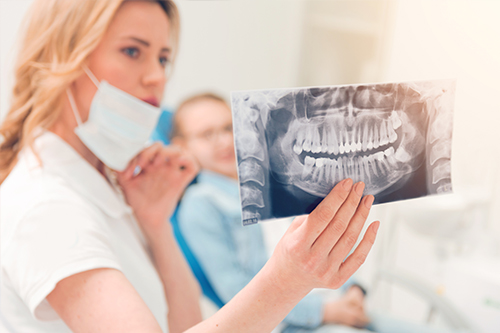
Emergency care begins with a focused examination and the appropriate diagnostic tools: clinical inspection, digital X-rays, and intraoral imaging help reveal fractures, root involvement, and the extent of infection. Once we understand the problem, treatment may be conservative or more involved depending on the damage. For example, small chips can often be repaired with bonding, while larger fractures may require crowns to restore function and protect the remaining tooth structure.
When infection has reached the tooth’s nerve or surrounding tissues, root canal therapy is commonly recommended to remove diseased tissue and preserve the natural tooth. In some cases an extraction is unavoidable; when that happens we discuss restorative options to replace the missing tooth and maintain oral function. For lost or damaged restorations, temporary repair followed by a definitive restoration is a common pathway that minimizes risk and restores comfort.
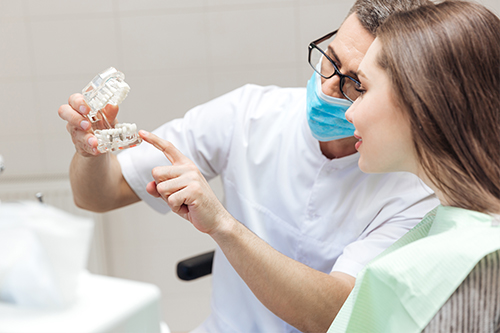
Our team emphasizes techniques that control infection, reduce pain, and limit further harm while preserving long-term outcomes. We use modern materials and technology to deliver precise, minimally invasive care, and we explain each step so you understand why a given treatment is recommended and what recovery will involve.
Recovering from an Emergency and Reducing Future Risk
After urgent treatment, follow-up care is often needed to complete repairs and monitor healing. This may include definitive restorations such as crowns or implant restorations, periodontal care for gum-related issues, or adjustments to dentures and prostheses. Proper post-procedure instructions — oral hygiene practices, dietary recommendations, and activity limitations — help speed recovery and reduce the risk of complications.
Prevention is a major focus of our practice. Custom mouthguards for sports, timely treatment of cavities, routine cleanings, and careful monitoring of wisdom teeth can prevent many emergency scenarios. We also work with patients to identify habits that contribute to dental injury, such as teeth grinding, and recommend appropriate interventions like night guards or occlusal therapy.
Sustainable oral health is a partnership between the dental team and the patient. By combining urgent care expertise with ongoing preventive care, we help patients protect their smiles and avoid the disruption of repeat emergencies. If you have questions about how to reduce your personal risk for dental injuries or what to expect after an urgent visit, our team is here to guide you.
When a dental emergency interrupts your life, prompt, skilled care can make a lasting difference. If you need urgent attention or want to learn more about emergency treatment options available through our practice in Albion, NY, please contact us for more information. We’re here to help you regain comfort and restore oral health.