When a cavity or small fracture weakens a tooth, a filling restores more than just appearance — it helps preserve the tooth’s ability to chew, speak, and resist further damage. Modern composite materials are formulated to mimic natural enamel in color and translucency, allowing restorations to blend discreetly with surrounding teeth while restoring strength and function.
These restorations are particularly useful for visible areas and for patients who prefer metal-free options. Because composites bond directly to the tooth surface, they support a conservative treatment philosophy that aims to retain as much healthy structure as possible. That stability helps the restored tooth perform naturally under normal biting forces.
At the office of Silsby Family Dental, we emphasize repair strategies that focus on long-term oral health and minimal intervention. Our goal is to restore teeth in a way that looks natural and supports everyday function so patients can continue to eat, talk, and smile without compromise.
Tooth-colored fillings are commonly chosen for their aesthetic benefits, but their advantages extend beyond looks. Composite resins are free of metals and mercury, removing concerns some patients have about traditional amalgam. Their shade-matching capabilities mean that small- to medium-sized cavities can be repaired without drawing attention to the work.
Because composite materials adhere to enamel and dentin, less healthy material usually needs to be removed during preparation. This adhesive property lets the dentist shape and bond the filling precisely, which preserves more of the natural tooth and contributes to a secure seal that helps reduce the risk of future decay around the restoration.
Composites are versatile and can be used for repairs in many parts of the mouth, including front teeth and premolars. Their ability to be layered and sculpted means we can recreate natural contours and contact points, maintaining both appearance and proper bite relationships for comfortable, long-term function.
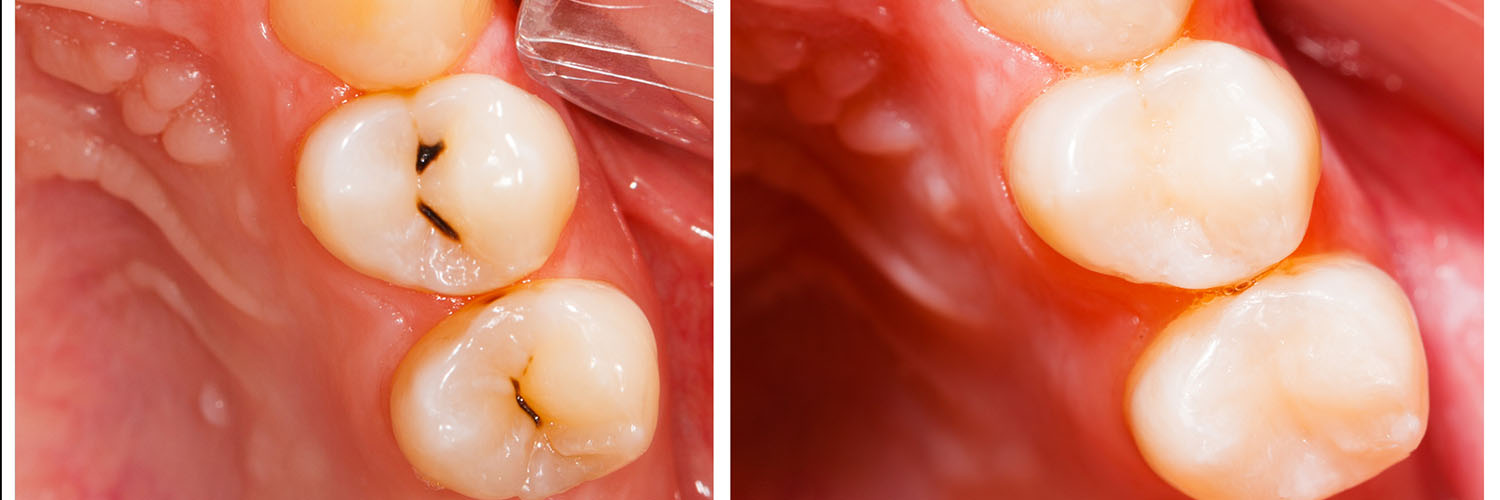
The appointment typically starts with a brief exam and diagnostic checks to determine the extent of decay or damage. Local anesthesia is used as needed to ensure patient comfort while removing decayed tissue and preparing the cavity. Most routine fillings are completed in a single visit unless additional treatment is required.
Composite resin is applied in thin layers, and each layer is shaped and set using a specialized curing light. This incremental approach lets the clinician sculpt the material to match the tooth’s natural contours and bite. When shaping is complete, the filling is polished to a smooth finish that resists staining and feels natural against the tongue and opposing teeth.
We also discuss comfort options with patients before treatment begins; for those who feel anxious, sedation dentistry may be available to help make the visit more relaxed. Throughout the procedure our team explains each step so you understand what’s happening and why it matters for the longevity of your restoration.
It’s normal to experience temporary numbness after local anesthesia, so avoid chewing until sensation returns to prevent inadvertent injury to soft tissues. You may notice mild sensitivity to hot or cold foods during the first few days as the tooth settles after treatment; this usually improves on its own and can be managed with routine over-the-counter measures if needed.
If you experience prolonged sensitivity, discomfort when biting, or any rough spots on the restoration, contact our office so we can evaluate and, if necessary, make small adjustments. A properly contoured filling should feel comfortable and allow you to bite naturally without catching or pressure points.
Daily plaque control—thorough brushing, flossing, and maintaining regular professional cleanings—plays a big role in how long a filling will last. Consistent oral hygiene helps protect the margins of the restoration from recurrent decay and preserves the surrounding tooth structure that supports the filling.
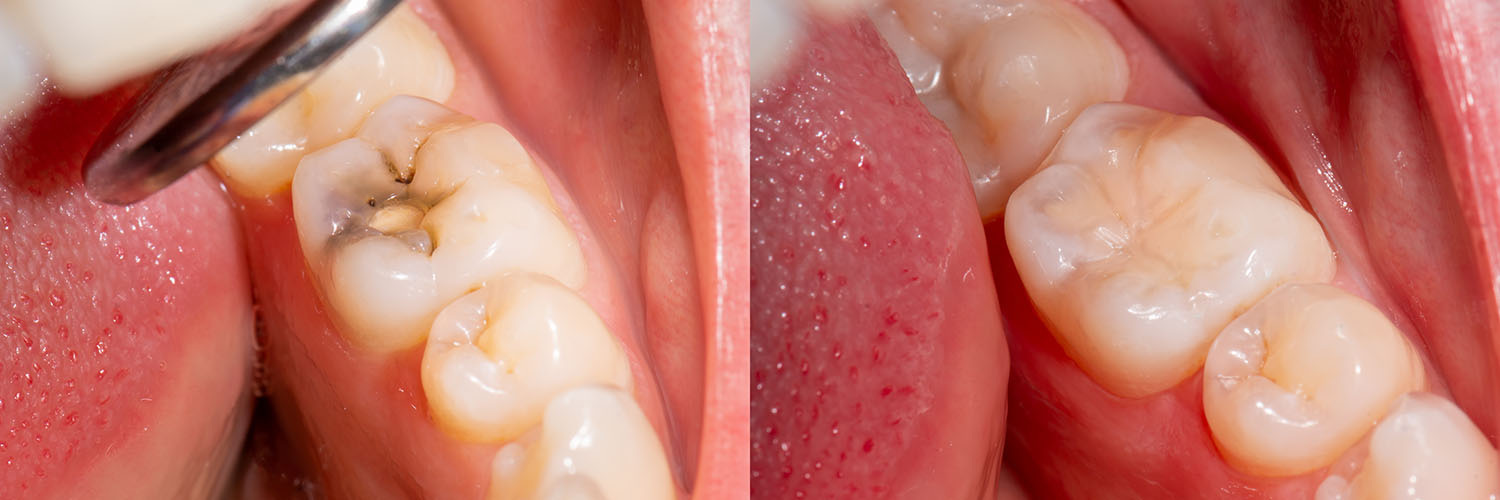
Fillings are durable, but they are not immune to wear. Changes such as small chips, gradual discoloration at the margin, or a new sensitivity can signal it’s time for an evaluation. During routine checkups we inspect restorations visually and with X-rays when appropriate to watch for early signs of problems and intervene before larger issues develop.
Patients should pay attention to functional changes: a rough edge, a feeling that something is catching, or a distinct change in how your bite comes together are reasons to schedule a check. In many cases, minor adjustments or refinishing can extend the life of a filling; in other instances, replacement or an alternative restoration may be recommended to protect the tooth.
Good habits—avoiding chewing on very hard objects, wearing a night guard if you grind, and keeping up with preventive visits—help fillings perform at their best. If you have concerns between visits, reach out so we can assess and recommend the appropriate next steps.
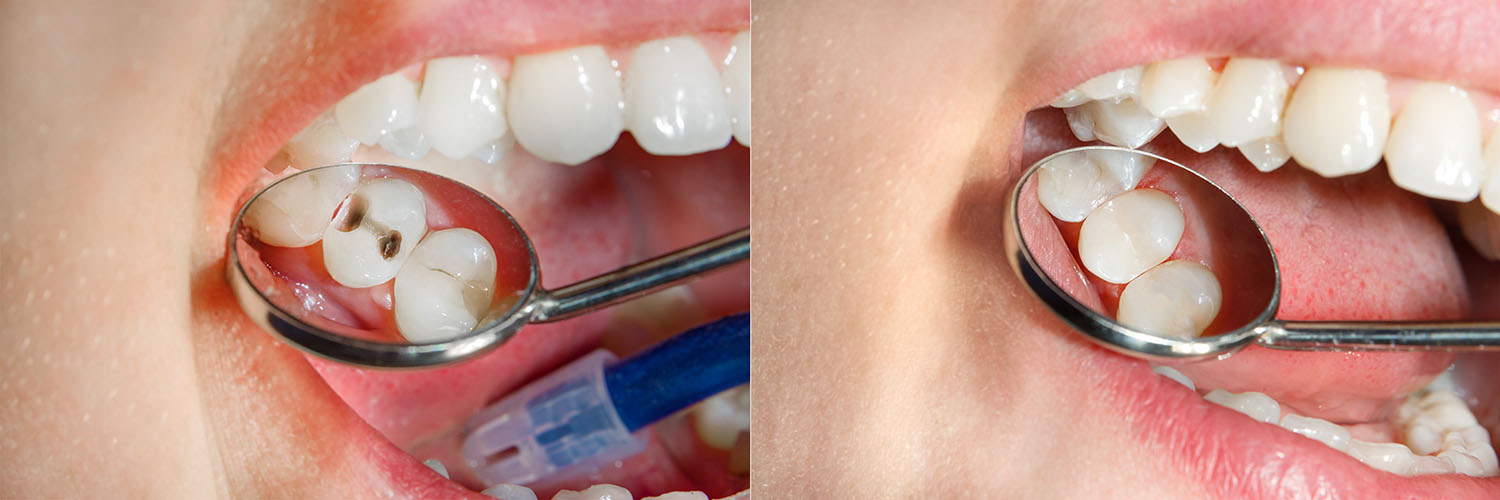
Our approach to restorative care focuses on preserving healthy tooth structure, achieving a comfortable bite, and producing a natural-looking result that fits a patient’s lifestyle. If you have questions about composite fillings or want to learn which restorative option best suits your needs, our team is ready to help.
To learn more or to discuss treatment options, please contact us for additional information. We’re happy to explain how contemporary fillings can protect your smile and support long-term oral health.
If the pleasure of eating a delicious bowl of ice cream or sipping a soothing cup of tea gets overshadowed by dental pain that makes you wince; it's time to contact our office. As skilled providers of care, we'll determine what's causing your discomfort and perform the treatment required to alleviate your symptoms and get you back on the road to oral health.
Cavities develop because of an infectious process that causes progressive damage to tooth structure. Despite starting as a pinpoint defect on the outermost enamel layer of your tooth, untreated dental decay progressively compromises more and more healthy tooth structure as it works its way to the inner layers of your tooth.
Yes, you can still develop tooth decay on other surfaces of the tooth, around the margins of an old filling, or in fewer instances, recurrent decay underneath it. For this reason, it's essential to maintain excellent oral hygiene, a diet low in sugary beverages and sweets, and be sure to visit our office for routine checkups and care. While tooth decay is second only to the common cold in frequency, it's almost entirely preventable.
We value the time and comfort of our patients. If cavities are located on adjacent teeth, or in the same section of your smile, it may be possible to treat more than one tooth during your visit. However, how much is done each visit depends on several factors. We keep our patients well informed and tailor every treatment plan and visit to address their unique needs.
Addressing concerns on the presence of elemental mercury in silver fillings, the American Dental Association (ADA), The Center for Disease Control and Prevention (CDC), the FDA, and the World Health Organization have all stated that amalgam restorations do not pose a risk to health. However, individuals with allergies or sensitivities to the metals in dental amalgam are advised to pursue other restorative options.
Dental fillings are performed under local anesthesia to help ensure your comfort throughout the entire procedure. The involved tooth remains completely numb for the extent of your visit. Within one or two hours after the procedure is completed, the local anesthetic will gradually wear off, and normal sensations return.
A tooth-colored composite filling is fully hardened and set by the end of your visit. However, we may advise you to wait a couple of hours until the local anesthesia has completely worn off. This advice is to help ensure you don't accidentally bite your lip, cheek, or tongue while still numb.
The lifetime of a dental filling varies depending on the type of material used. While popular dental materials can last a decade or more with proper care, they can degrade over time, wear down, or even break. When this happens, you may experience some tooth sensitivity, a jagged edge, or a loose or dislodged piece of filling material. Whatever the case may be, it's essential to get the filling replaced before the tooth sustains further damage or other consequences arise. Beyond taking good care of your smile to help ensure the longevity of your fillings, our office regularly checks the status of your existing fillings as part of a routine checkup exam.
Dental fillings are an essential investment that serves to preserve and protect the health of your smile. With that said, how much a filling costs depends on the number of surfaces of the tooth involved and the filling material that is used. Amalgam restorations are the most economical. While tooth-colored composite fillings have a slightly higher cost, they offer the added benefits of being metal-free and much more aesthetically pleasing. Ceramic fillings, inlays, and onlays are more expensive than the preceding options but provide outstanding, long-lasting, and natural-looking results.
Dental insurances typically cover the cost of dental fillings. While we work with you to maximize your insurance benefits, there may still be an out-of-pocket expense. At the office of Silsby Family Dental, we strive to help you begin care without any additional financial stress or delay.